Today we will look at a culture called the Nacirema. Please read the article http://www.sfu.ca/~palys/Miner-1956-BodyRitualAmongTheNacirema.pdf
and answer the following questions:
1. Where do the Nacirema live?
2. What is the Nacirema's belief about the human body?
3. How is wealth measured?
4. What is the most important part of the shrine room? What is kept there?
5. What happens to the charm after it has served its purpose?
6. Where does the holy water come from?
7. What do the Nacirema do to their mouths several times a day?
8. Why do adults willingly go to the holy mouth man?
9. What daily bodily ritual is performed only by men?
10. What is the medicine men's special temple?
11. Why do the Nacirema allow parts of their body to be cut out?
Friday, October 28, 2016

Friday, October 21, 2016
Migration Part 2
Today's lesson involves learning about the stories of refugees.
Go to the website: http://www.unhcr.org/refugeeday/stories/ (you can copy and paste)
Select a refugee and read their story, then respond to Immigration Study Cases...
https://drive.google.com/open?id=1psEBDmNev0CAhnVbz9ZlW6MYqmrFNZ_lo_xb3tWEj-w
(You may have to click at the top where it says "open with google docs")
https://drive.google.com/open?id=1psEBDmNev0CAhnVbz9ZlW6MYqmrFNZ_lo_xb3tWEj-w
(You may have to click at the top where it says "open with google docs")
Migration Part 1
Today's lesson involves investigating an interactive map.
Go to the website: http://www.iom.int/world-migration (you can copy and paste to your browser)
When you click on a country, it will show you how many migrants come to/from the country and where they go/come from. The In/Out switch is at the top.
Once you click on a country, you can hover over any other place on the map to see how many people go to/from your selected country.
Go to the website: http://www.iom.int/world-migration (you can copy and paste to your browser)
When you click on a country, it will show you how many migrants come to/from the country and where they go/come from. The In/Out switch is at the top.
Once you click on a country, you can hover over any other place on the map to see how many people go to/from your selected country.
Migration Flow Interactive Map Questions:
Directions:
Observe the international migration, 2015 map and find patterns in migration.
1. What country hosts the largest population of migrants?
What other countries also host a very large population of migrants (List at
least 3)?
2. Why do you think these countries attract, or “pull”
migrants? (List at least one economic, political, and social reason)
3. List 3 countries that host a very small population of
migrants?
4. Why do you think these countries lose or”push” away
migrants? (Again—think about economic, political, and social reasons)
5. Name 2 countries that are taking in more than 250,000
migrants.
6. Based on what you observe in the map, can you make any
hypotheses about migratory relationships between countries? State and defend at
least one hypothesis. (EX: It is probable that Country A takes in many migrants
from Country B because they are very close geographically. The maps also show
that Country A is gaining migrants, while B is losing migrants).
Friday, May 17, 2013
South East Asia Physical and Political Maps
South East Asia Physical and Political Maps due Monday 5/20 and Tuesday 5/21
Use the following links to complete the maps:
http://www.world-maps.co.uk/continent-map-of-south-east-asia.htm
http://education.randmcnally.com/images/edpub/Austr_Physical_Adv.png
Use the following links to complete the maps:
http://www.world-maps.co.uk/continent-map-of-south-east-asia.htm
http://education.randmcnally.com/images/edpub/Austr_Physical_Adv.png

Friday, April 12, 2013
Monday, February 25, 2013
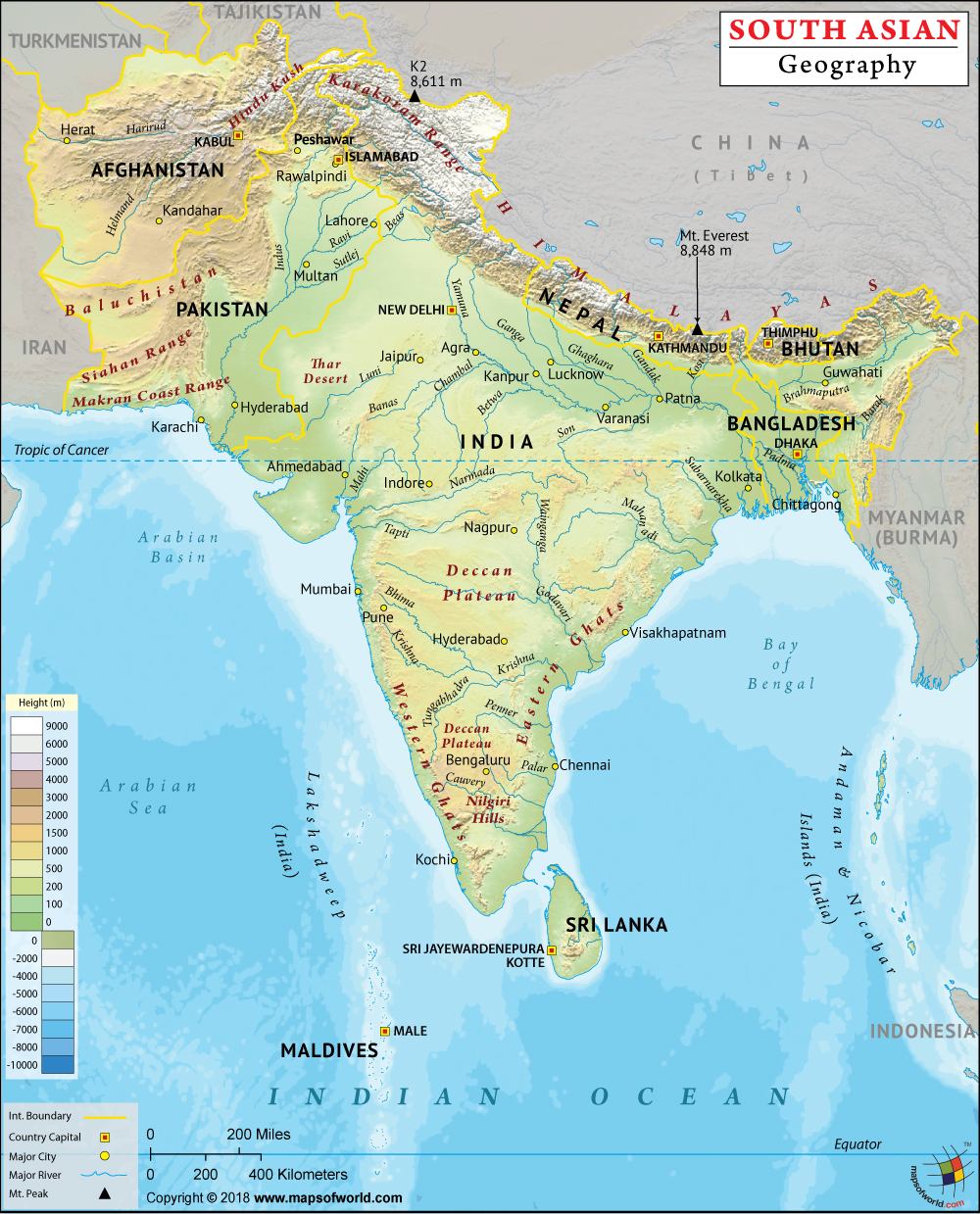
South Asia Maps
The following are links to maps to help students complete their South Asia Political Maps.
Political- http://www.zonu.com/fullsize-en/2009-11-18-11175/Southern-Asia-Political-Map.html
Physical- http://www.mapsofworld.com/asia/maps/south-asian-geography.jpg
Political- http://www.zonu.com/fullsize-en/2009-11-18-11175/Southern-Asia-Political-Map.html
Physical- http://www.mapsofworld.com/asia/maps/south-asian-geography.jpg
Wednesday, February 20, 2013
Flipped work 1/20
The flipped work consists of 2 parts:
Review for the exam essay: How has the physical geography of SW Asia influenced human activity and settlement?
Finish SW Asia political and physical maps- these resources can help:
http://www.zonu.com/fullsize-en/2009-09-17-603/Southwest-Asia-Political-Map-1996.html
http://www.google.com/imgres?hl=en&safe=strict&sa=X&rls=com.microsoft:en-us:IE-SearchBox&biw=922&bih=530&tbm=isch&tbnid=ZPmeLo0bmKvuZM:&imgrefurl=http://www.isd2184.net/~j.phelps/home/geo_7_home.html&docid=prDlKd997ZpwfM&imgurl=http://www.isd2184.net/~j.phelps/home/Geog_11_12/JPG%2527s/SW_Asia_Physical.jpg&w=1054&h=892&ei=DxwlUdbuGq2r2AWj-IHgDw&zoom=1&iact=rc&dur=453&sig=114346881740000879851&page=1&tbnh=135&tbnw=160&start=0&ndsp=15&ved=1t:429,i:105&tx=89&ty=77
Review for the exam essay: How has the physical geography of SW Asia influenced human activity and settlement?
Finish SW Asia political and physical maps- these resources can help:
http://www.zonu.com/fullsize-en/2009-09-17-603/Southwest-Asia-Political-Map-1996.html
http://www.google.com/imgres?hl=en&safe=strict&sa=X&rls=com.microsoft:en-us:IE-SearchBox&biw=922&bih=530&tbm=isch&tbnid=ZPmeLo0bmKvuZM:&imgrefurl=http://www.isd2184.net/~j.phelps/home/geo_7_home.html&docid=prDlKd997ZpwfM&imgurl=http://www.isd2184.net/~j.phelps/home/Geog_11_12/JPG%2527s/SW_Asia_Physical.jpg&w=1054&h=892&ei=DxwlUdbuGq2r2AWj-IHgDw&zoom=1&iact=rc&dur=453&sig=114346881740000879851&page=1&tbnh=135&tbnw=160&start=0&ndsp=15&ved=1t:429,i:105&tx=89&ty=77

Subscribe to:
Posts (Atom)